

iOS and Android app development
Product design, backend integration and release
Turn a defined product idea into an app people can use. We cover discovery, interface design, native or cross-platform development, backend connections, device testing and the requirements for store submission.
Starting from USD 10,000/projectFinal scope and price agreed before work starts.
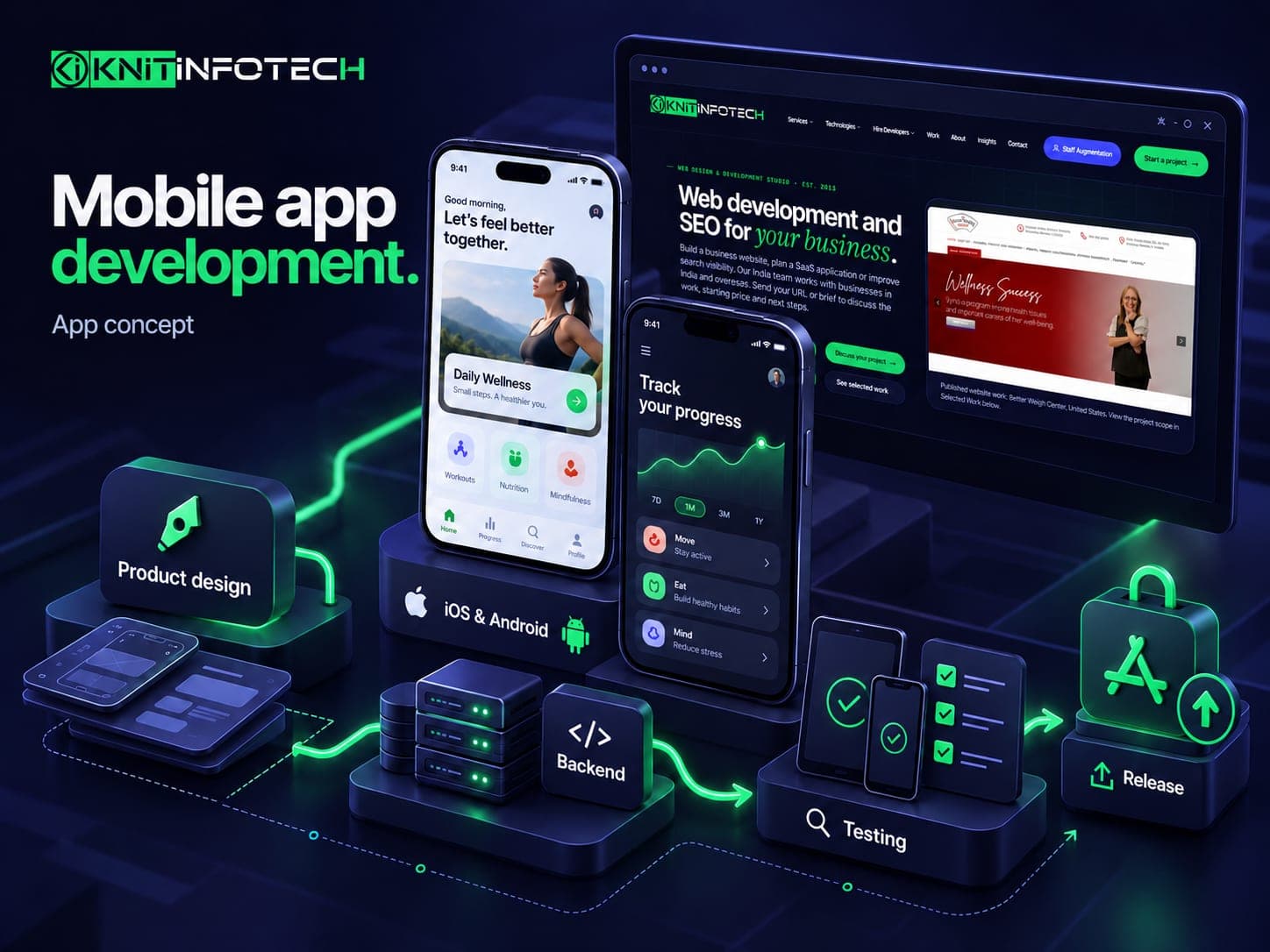
Define the first useful release
Start with the people using the app, the tasks they need to complete and the systems it connects to. Decide which platforms and devices matter before choosing a technical approach.
Agree features and responsibilities
Authentication, roles, notifications, offline behaviour, payments and business-system integrations are scoping questions. Define the required features, acceptance criteria, client content and account ownership in the proposal.
Testing, release and handover
Agree device coverage, accessibility checks, privacy information, release responsibilities and support boundaries. Store review and approval are controlled by the platform. The team contribution and platform should be explicit in any app example.
A website portfolio demonstrates website work. Ask for relevant app-delivery evidence and a clear scope for your application.
Related reading: Flutter, React Native, app store optimisation, hire the developers.
For the wider product lifecycle, the mobile apps hub brings together development, store-listing work and paid acquisition. We scope those separately so a build proposal is clear about what happens before and after release.
Check a complete task, including its failure states
For a booking app, for example, review selecting a service, choosing an available slot and receiving confirmation. Also test a lost connection, an expired session and a slot another user has just taken. These are illustrative acceptance questions, not claims about a delivered app. The app-launch planning example shows how those questions can become a first-release scope.
What app development includes
Product discovery & prototype
Define the app’s purpose, priority tasks and screens, then review a prototype with relevant users.
UI/UX design
One design system that still respects iOS and Android conventions, checked on real handsets rather than in a simulator.
Cross-platform build
Flutter or React Native development for the agreed platforms, with device testing and separate store submission requirements.
Explore →Native build
Swift and Kotlin where the app depends on the camera, AR, Bluetooth or background processing to do its job.
Backend & integrations
APIs, authentication, payments, push notifications, and the connection to your CRM or ERP that makes the app worth having.
Store submission & ASO
Listings, screenshots, privacy and data-safety declarations, reviewer test accounts, and the conversation when Apple asks a question.
Explore →How an app project runs
Requirementsweek 1–2
Users, jobs, platforms, integrations and the offline rules, which are the thing most briefs forget, written up as a scope you sign off.
Design & prototypeweek 2–4
Wireframes, then a clickable prototype put in front of a handful of real users before anybody writes production code.
Buildweek 4–12
Two-week sprints, each ending with a build on your own phone through TestFlight and Play internal testing.
Test & QAweek 12–13
A device matrix covering the older Android handsets your users actually own, automated tests, accessibility and performance checks.
Launchweek 13–14
Store submission, the review back-and-forth, and analytics plus crash reporting live from the first public build.
Supportongoing
Thirty days of monitoring and fixes included, then a maintenance retainer if you want one.
Stacks we build with
Starting from USD 10,000/project
A scoped first release. Android, iOS, iPad and shared-code requirements are agreed before quoting. Two independent native apps, tablet-specific workflows, hardware features and complex backends are not implied by the starting price.
Mobile apps, answered
Should we build for iOS, Android or both?
Choose the platforms using evidence about your intended users, required device features and available budget. A cross-platform approach may share code across Android and iOS, while native work can suit platform-specific requirements. Each store has its own testing and review process.
How long does it take to build an app?
Twelve to sixteen weeks from kickoff to store approval for a typical business app. Simple apps go faster; anything with a custom backend or offline sync goes slower. You get a build on your phone every fortnight, so progress is visible rather than reported.
How much does an app cost?
Starting from USD 10,000/project. A scoped first release. Android, iOS, iPad and shared-code requirements are agreed before quoting. Two independent native apps, tablet-specific workflows, hardware features and complex backends are not implied by the starting price. The written proposal confirms deliverables, exclusions, timeline and the final price before work starts. Hosting, licences, platform subscriptions and usage charges are separate where required.
Native or cross-platform?
Compare required device features, platform behaviour, existing code and maintenance needs. Cross-platform development may share parts of the implementation; native development can provide closer access to platform-specific features. Agree the approach after reviewing the requirements.
Do you provide support after launch?
Thirty days of monitoring and fixes are included as standard. After that a maintenance retainer covers the OS releases, dependency upgrades and small improvements that every live app needs. Plenty of clients take it for a year and then run the app themselves.
How do you get an app approved by the stores?
By preparing the parts that cause rejections. Privacy and data-safety declarations that match what the app actually does, a working test account for the reviewer, and clear explanations of any permission requested. Most rejections we see elsewhere are about login flows or privacy text.
Tell us about your app
Share the intended users, main task, target devices and required integrations. We can compare the development approaches and prepare a scoped proposal.