Developer rates start at USD 18/hour. Python, native mobile, Flutter, CRM and Shopify roles start at USD 22/hour. Review profiles and confirm the final scope and fee.
Website development in Canberra for content teams and organisations
For Australian businesses. Design and engineering delivery from Noida, India.
A website is difficult to trust when nobody knows who owns the content or whether the latest document is current. We help Canberra teams plan accessible pages, publishing responsibilities and a CMS that fits their everyday work.
Make the website manageable after the launch team leaves
An organisation’s website may serve members, partners, prospective staff and people looking for a service. Each audience needs a clear route, but editors also need a reliable way to keep the information current. A new design will not fix an unclear approval process on its own.
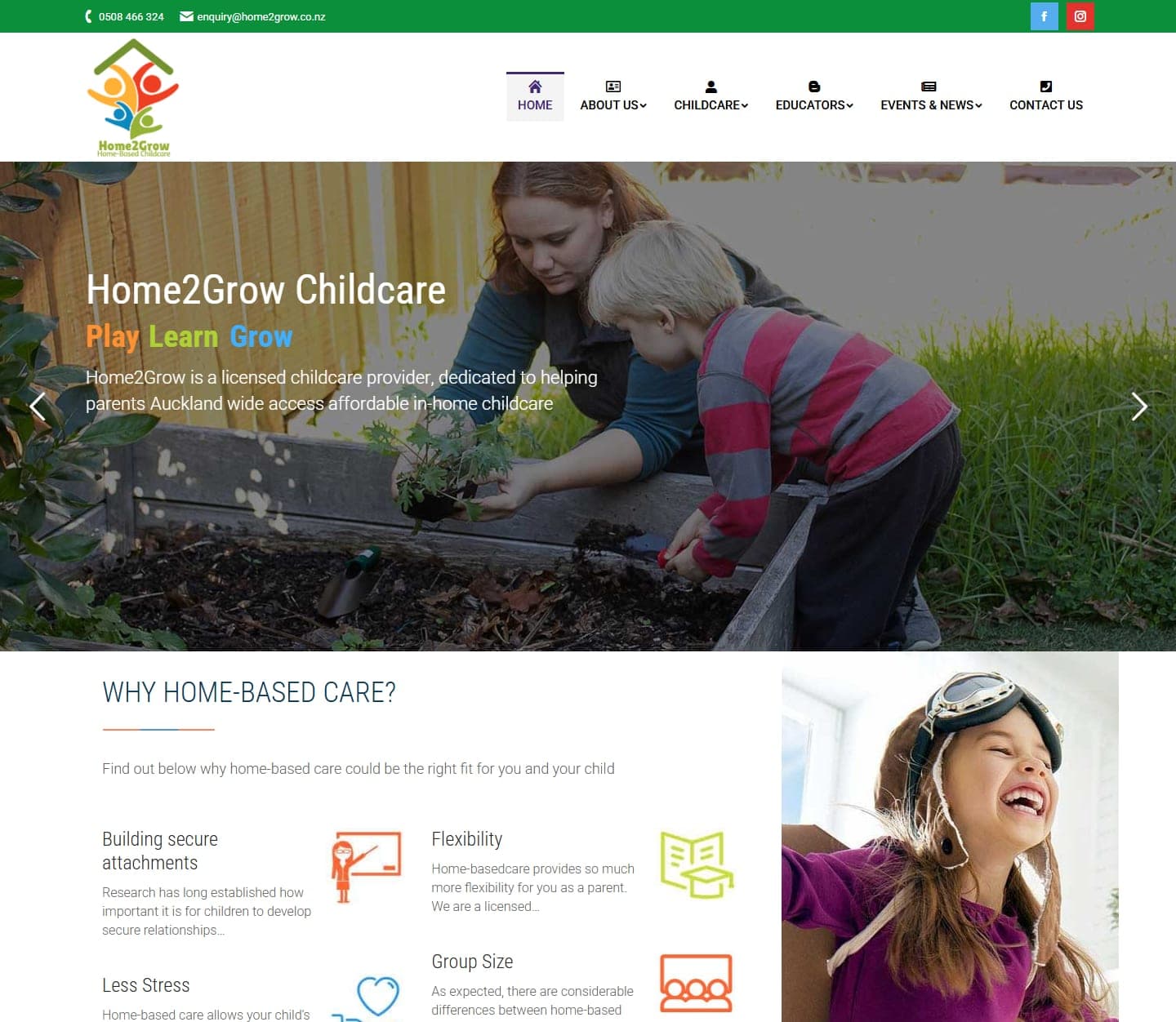
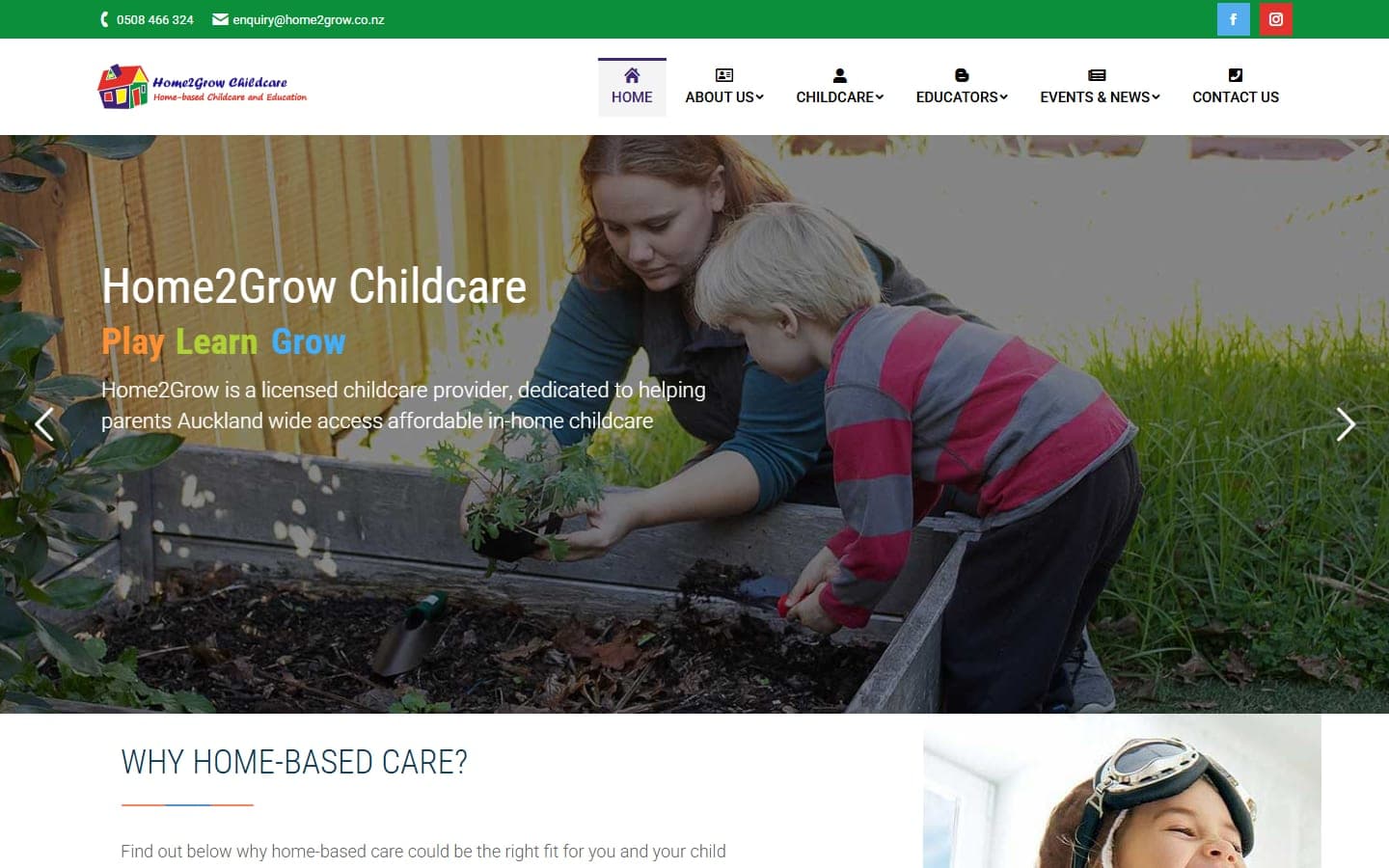
Home2Grow is a New Zealand website project with separate content paths for parents and educators. Use its project record to review the documented build scope and compare how different audiences are guided through the site.
For your Canberra team, agree the decisions behind a typical update. Who supplies a change? Who checks the facts? Can an editor preview a page before publication? What happens when the content owner leaves? Those answers help define roles and CMS fields.
Set accessibility requirements with the actual audience and procurement obligations in mind. Include the page, document and form tasks people use. Do not assume a theme, plugin or automated score establishes compliance with every applicable requirement.
Choose the CMS from the approval and support model
WordPress with clear editorial controls
A well-scoped WordPress site can support regular page and article publishing without a separate frontend. Define reusable fields and layout limits so routine edits remain manageable. Assign ownership of updates, backups and any approval plugins.
Headless content with a reason to separate
A headless CMS and Next.js may suit structured content reused across services or channels. Review preview, publishing triggers, permissions and deployment ownership. Editors should understand when an approved update becomes public and who investigates a failed release.
Acceptance based on actual user tasks
Use keyboard and assistive-technology checks alongside automated tests, with a scope appropriate to the audience. Review document accessibility and third-party embeds. Record unresolved issues and owners; a single audit score cannot describe every visitor’s experience. Include public-page discovery in the handover. Our Australian SEO service can review indexable content and internal links alongside the editorial responsibilities agreed with your team.
Bring your current website
Does a simple website update take too many handoffs?
Send a page that is hard to maintain and explain who writes, approves and publishes it. We can discuss a clearer content model, suitable CMS and a practical acceptance plan.
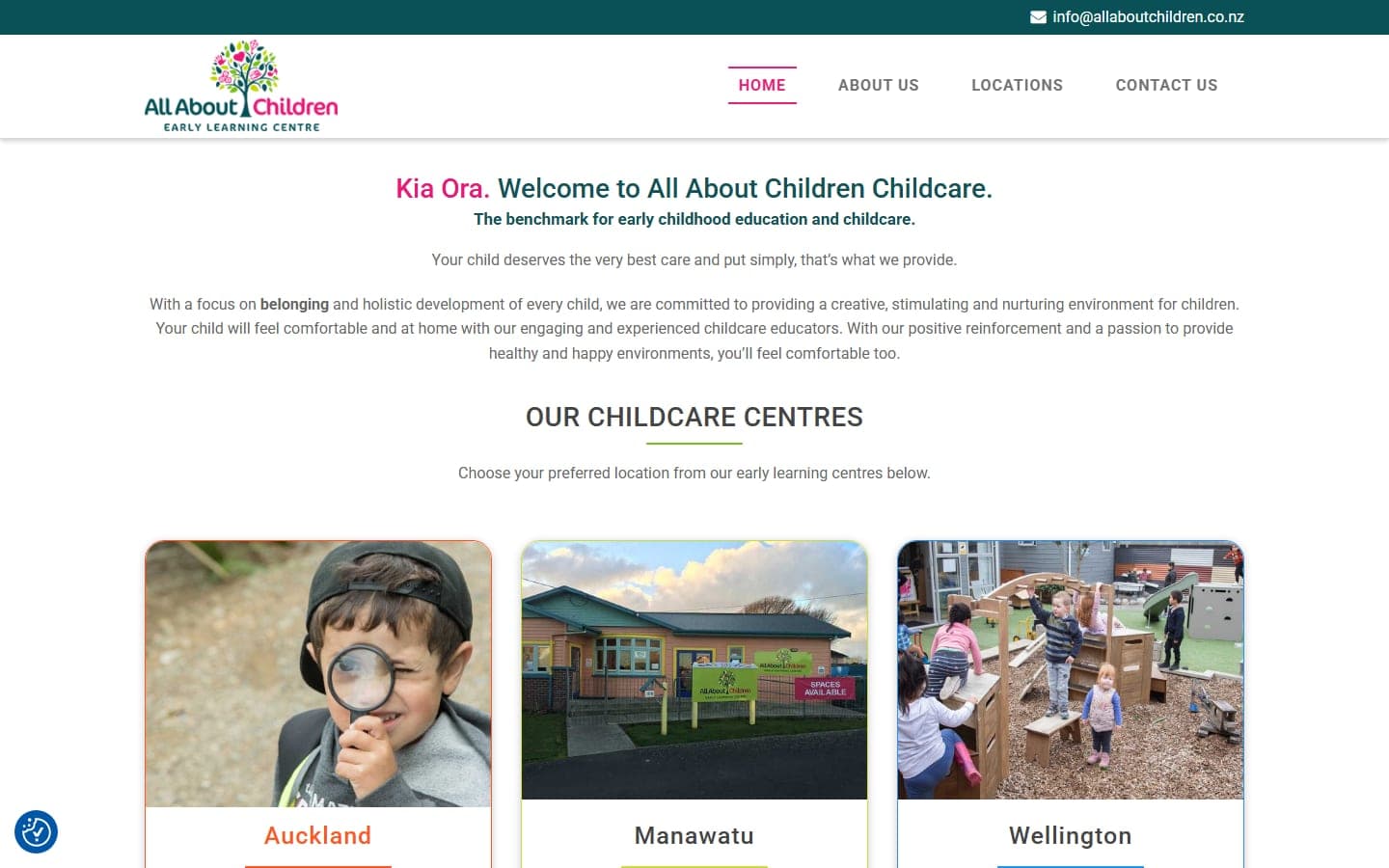
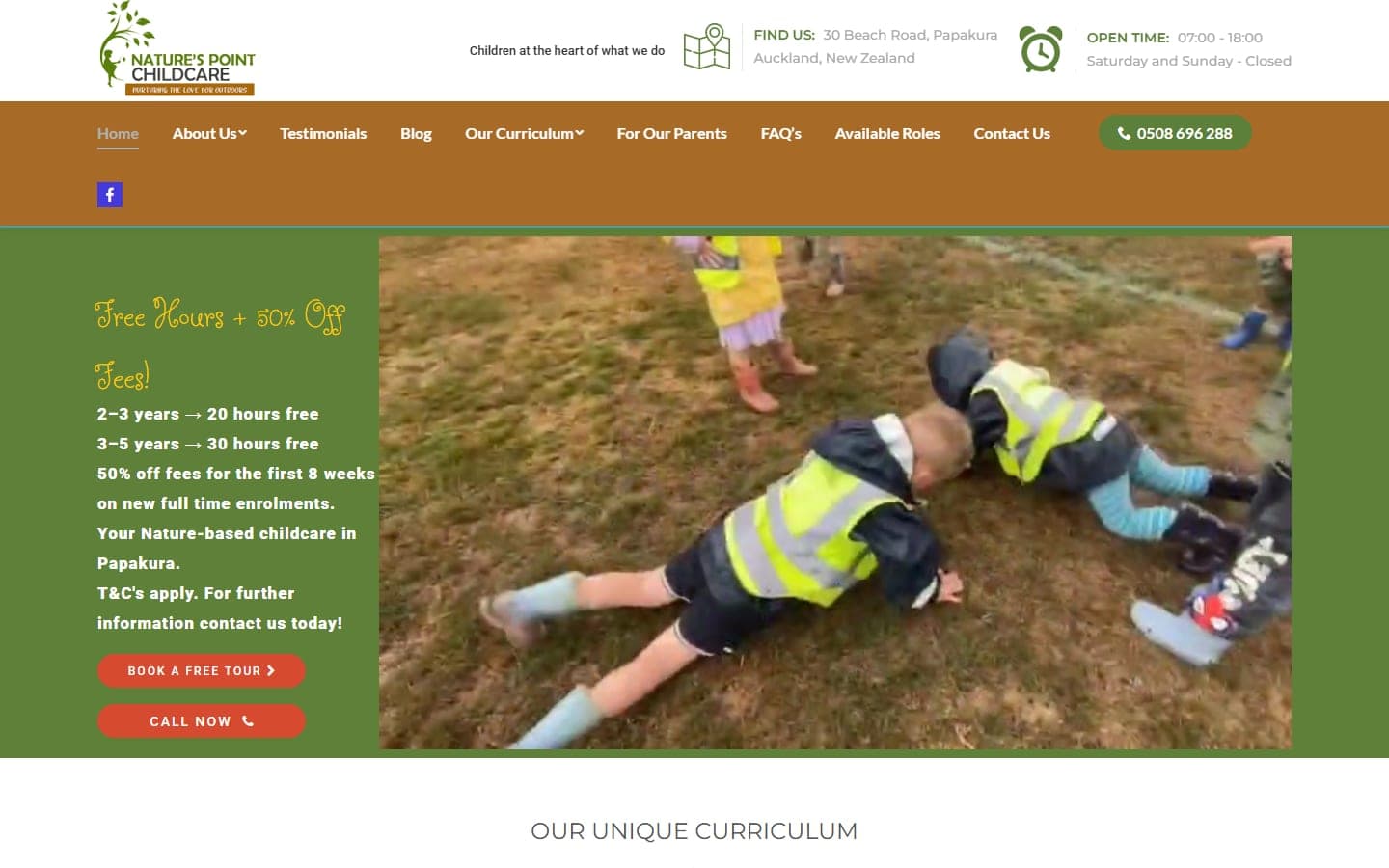
These New Zealand education websites show audience structure and editable public content. They are relevant references, without a claim of Canberra delivery history, public-sector accreditation or audited accessibility conformance.
Include content governance and acceptance in the quote
Count content types, not just pages
Approval roles, document libraries, migration quality and reusable fields affect the work. State the required accessibility target and any independent review you need. Extensive remediation, translation and document preparation should have explicit estimates.
Keep access and review responsibilities clear
Agree who owns CMS accounts, hosting, source code where applicable and analytics. Include training for editors and reviewers using real content. Confirm backups, security updates and ongoing support terms rather than leaving them to the last launch call.
Confirm Canberra review dates and requirements
Design and engineering delivery are from Noida, India; there is no Canberra office. Use Australia/Sydney for Canberra meetings, with the date included. Any procurement, hosting-location or data-handling requirement needs review before accepting the engagement.
Explore the implementation
Website services, platforms and search
Use these pages to examine CMS and frontend responsibilities in more detail. Search visibility begins with useful public content and crawlable links, alongside a website people can use.
Sydney considers service and CRM enquiries; Perth considers technical documents and catalogue ownership. The national guide covers platform and commercial choices.
Our standard business website and CMS development starting fee is USD 1,499/project. Editorial approval features, large migrations, accessibility remediation and separate headless frontends require an agreed estimate. A smaller WordPress Starter scope starts at USD 849/project. Published packages describe the starting inclusions; the proposal confirms currency, taxes and final fees.
Do you guarantee WCAG compliance or government procurement eligibility?
No blanket guarantee should replace a defined requirement and review. Agree the accessibility standard, test scope, content responsibilities and any independent assessment. We do not claim Australian government accreditation or eligibility merely because this page covers Canberra.
Can staff draft content without publishing it immediately?
The CMS can provide draft and preview behaviour, with roles selected for your team. More complex approvals may need additional features. Test an ordinary update, a rejection and an urgent correction before deciding that the process is ready for daily use.
Can we use WordPress with a Next.js frontend?
Yes, when the operating model supports it. Separate the editing and public frontend responsibilities, and agree previews, publishing triggers, hosting and support. A conventional WordPress site may be simpler when your needs are routine public-content updates.
Do old PDFs need to be migrated as well as web pages?
Review which documents remain useful, who owns them and whether the information should be available in HTML. Check incoming links before changing document URLs. Accessibility remediation and rewriting can be significant work, so define the document scope before migration.
What should an organisation prepare before a website review?
Bring priority user tasks, existing content types, sample documents, editor roles and approval requirements. Add any accessibility, procurement or hosting constraints. A realistic content sample helps reveal what the website and the people maintaining it actually need.
Your Canberra website
Let’s talk about your website
Share the current site, your priority user tasks and the people who maintain the content. We will discuss the publishing model, acceptance requirements and a website scope your team can operate.