Developer rates start at USD 18/hour. Python, native mobile, Flutter, CRM and Shopify roles start at USD 22/hour. Review profiles and confirm the final scope and fee.
Website development in Melbourne for products and growing businesses
For Australian businesses. Design and engineering delivery from Noida, India.
A product catalogue, an online shop and a wholesale order system solve different problems. We help Melbourne businesses choose the right website scope before committing to a platform, product import or integration.
If every order needs a specification check, an online checkout may create more uncertainty than it removes. If customers can confidently choose a standard item, asking them to email for a price may create unnecessary work. Decide where your Melbourne catalogue sits before choosing its features.
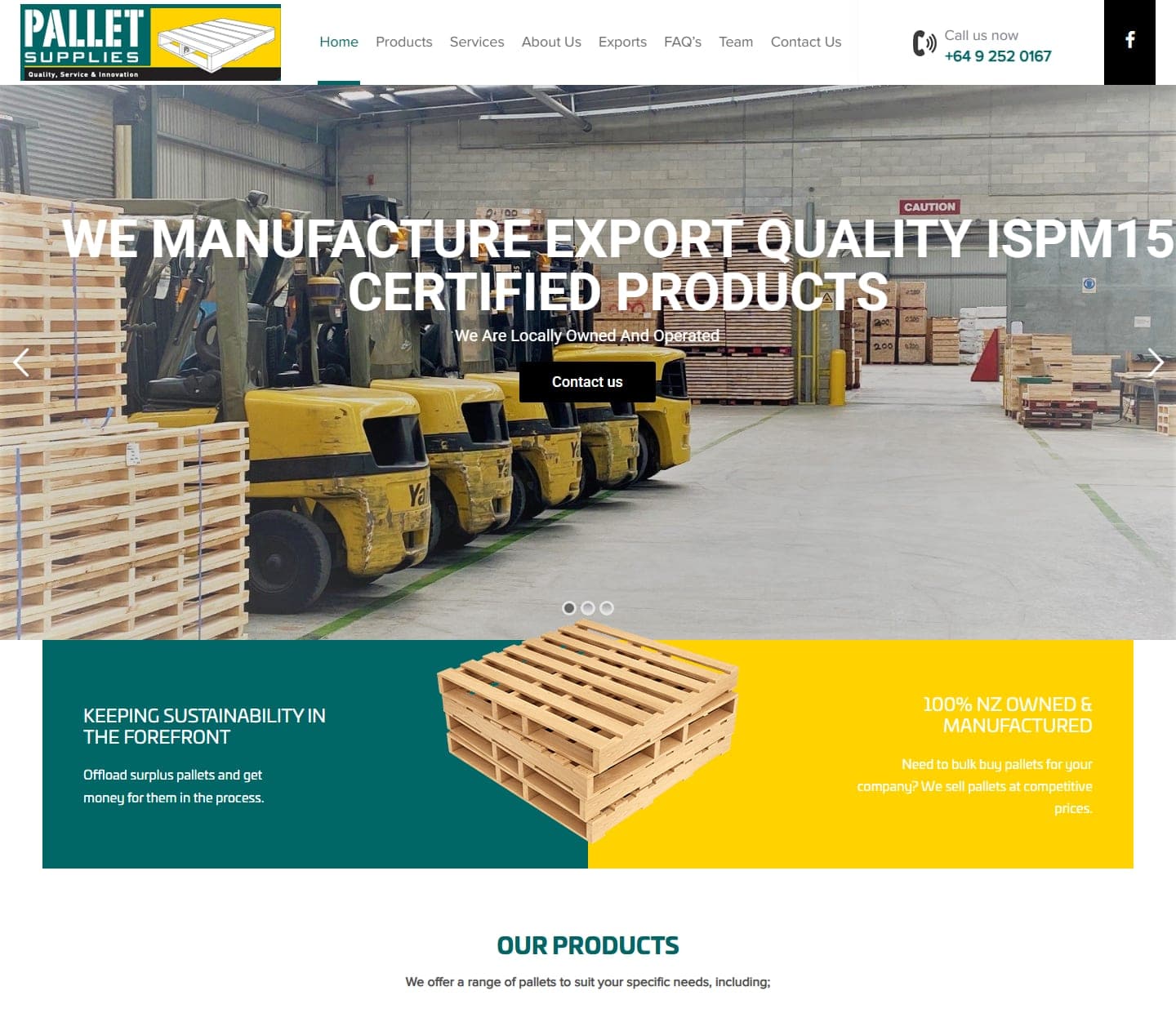
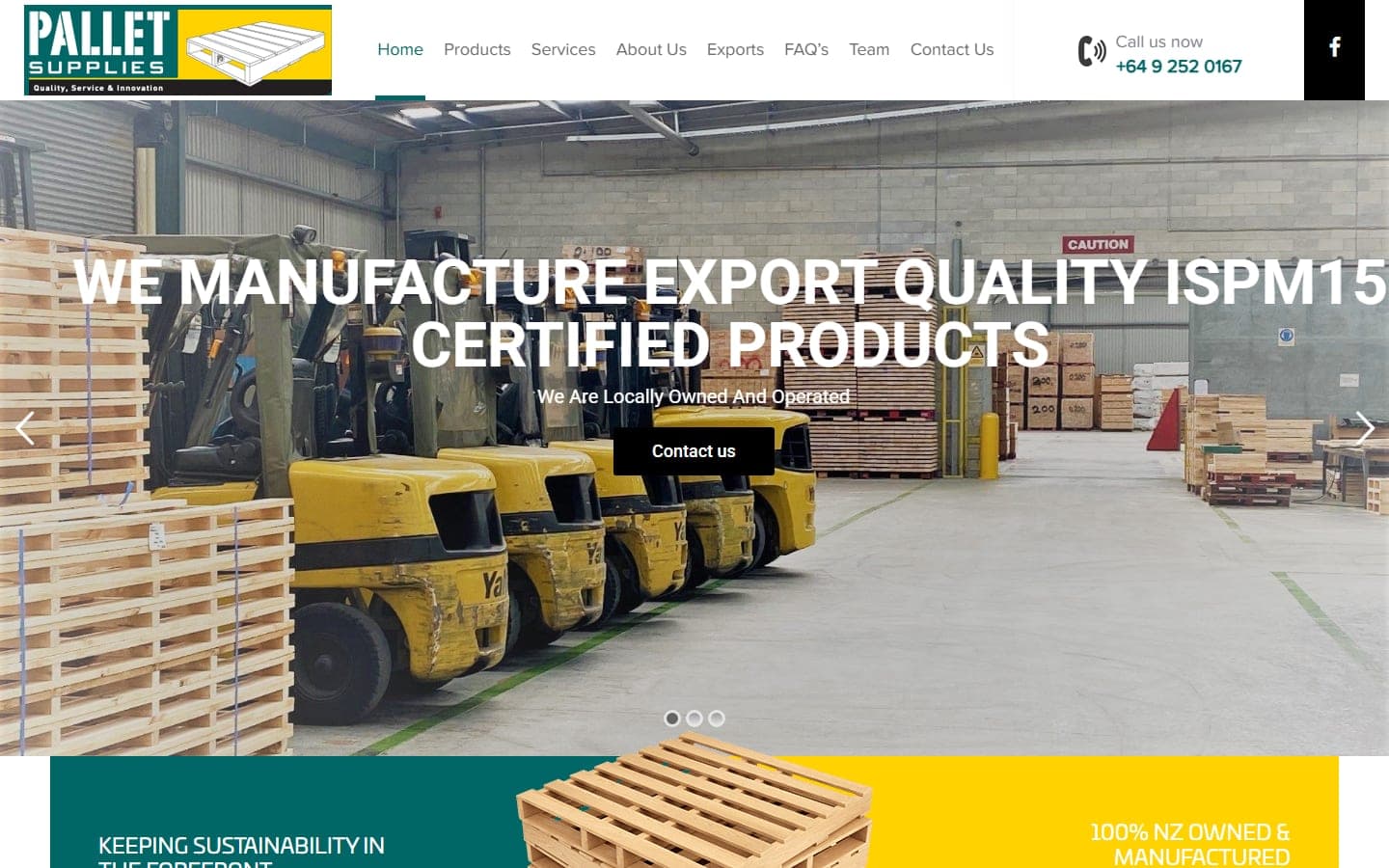
Pallet Supplies is a New Zealand website project with product information and enquiry paths. Explore the published case to see how its catalogue is presented before deciding which ordering and account features your own store will need.
For a retail and wholesale business, list what each customer can see. Public descriptions, trade pricing, pack quantities, minimum orders and account-only information may need different rules. Confirm who updates that data and what the website shows when a record is incomplete.
Treat delivery areas, collection options and dispatch estimates as maintained business information. The website should use your actual operating rules, including any differences between metropolitan Melbourne and regional destinations.
Published client websites
Product information and enquiry paths you can inspect
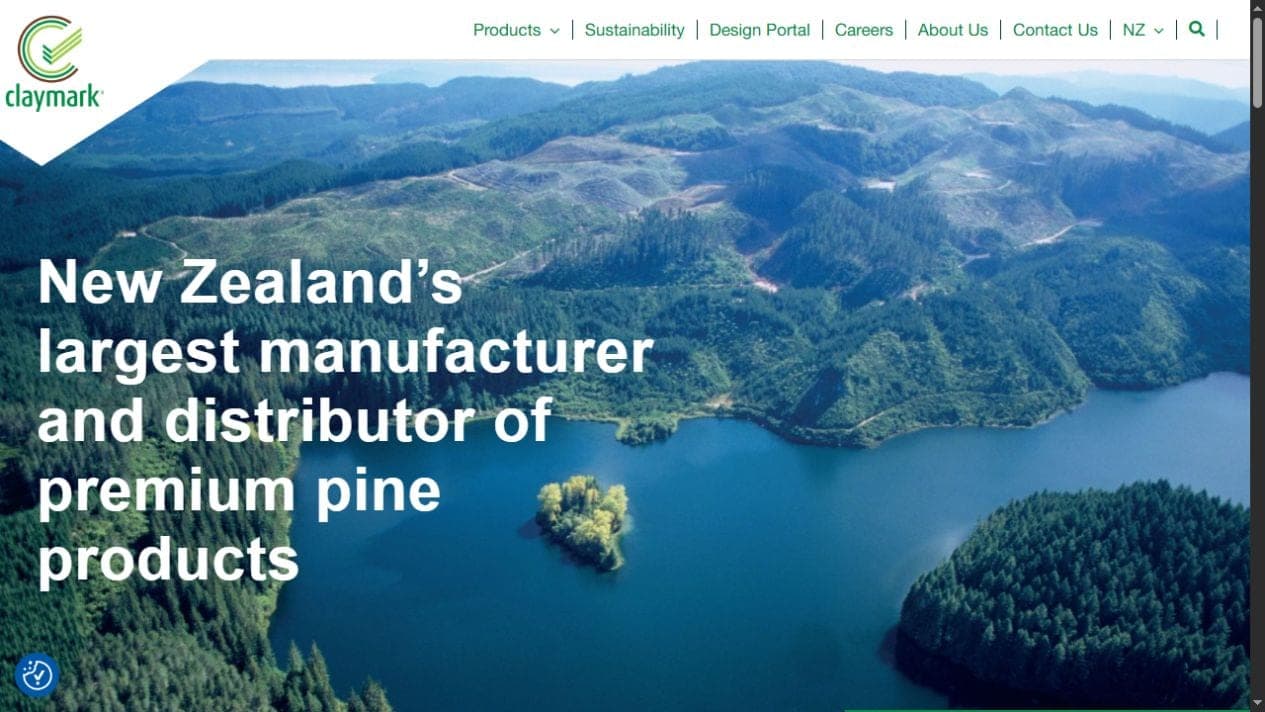
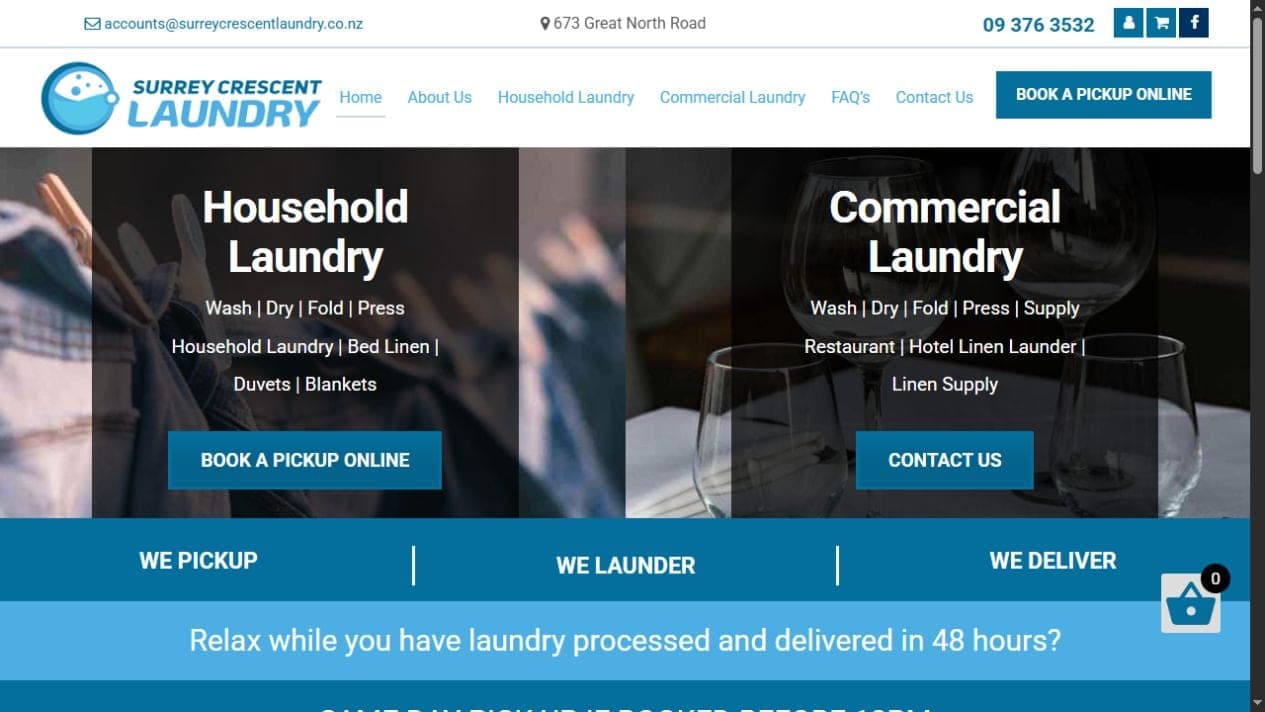
These published New Zealand sites show product, specification and service structures. They illustrate relevant content decisions; they are not Melbourne projects or proof of ecommerce sales results.
Send five representative products, your current ordering process and the system that holds stock. We can discuss a sensible first release and identify the features that need a separate integration.
Choose the maintained source for product names, prices, availability and images. If accounting or inventory software feeds the website, document update timing and failure behaviour. Do not display a live-stock claim when the site only receives a periodic file.
Plan migration around real records
Use a sample containing variants, missing images, discontinued items and difficult shipping cases before importing the full catalogue. Map existing product and category URLs. Review redirects, canonical URLs and internal links so customers do not land on retired ranges.
Write the information needed before payment
Customers should be able to check the product, total payable amount, delivery limits and relevant returns information before ordering. Obtain the business-approved policies and tax treatment. The development scope implements those instructions; it does not decide the business’s legal obligations. For organic product discovery, discuss SEO in Australia. If you plan paid acquisition, Australian digital marketing should use the same stock, shipping and offer information as the store.
Scope, ownership and delivery
Price the operating requirements as well as the design
Separate the standard store from custom work
The published ecommerce package covers a standard store on one agreed platform. Large imports, ERP connections, subscriptions, advanced trade rules and headless builds require additional scope. Product photography and copy preparation also need named owners.
Account for recurring supplier charges
Compare hosting, platform subscriptions, paid apps, payment processing and ongoing care alongside the initial build. Keep the domain, store account and payment gateway in the business’s control. Confirm who checks failed orders and integration alerts.
Agree Melbourne review and launch windows
Delivery is from Noida, India, without a Melbourne office. Use Australia/Melbourne and Asia/Kolkata when scheduling approvals. Include the date, daylight-saving changes and the people who can approve a release or pause checkout.
Explore the implementation
Website services, platforms and search
Use the service pages for package inclusions and platform details. A technical SEO or marketing programme can be scoped once the catalogue and ordering model are clear.
The Perth brief covers technical specification catalogues; Adelaide covers supplier and stockist routes. Use the Australia overview to compare platforms and the full website scope.
What is your starting price for an ecommerce website in Melbourne?
A standard Shopify or WooCommerce store starts at USD 2,599/project. The published scope includes up to 20 initial products using supplied data and one supported payment gateway configuration. Advanced options, subscriptions, ERP connections and large imports are additional. Compare the package inclusions and confirm the final fee, currency and applicable taxes in the proposal.
Can we start with a catalogue and add checkout later?
Yes, if the catalogue is structured for the likely next step. Agree product identifiers, variants, categories and content ownership early. Adding checkout later still needs payment, shipping, tax, policy and order-process work. A catalogue build does not automatically include those features.
Is WooCommerce or Shopify better for our Melbourne store?
Compare the editing team, existing WordPress site, catalogue, available integrations and recurring costs. WooCommerce gives you a WordPress-based store with hosting and plugin responsibilities. Shopify provides a hosted commerce platform with its own subscriptions and app choices. Test the features your actual orders require.
Can retail and wholesale customers use the same site?
They can, but decide which prices, products and terms each audience can access. Trade approval, minimum quantities and credit arrangements may need paid extensions or custom work. Avoid collecting wholesale account details in a standard contact form without a clear approval process.
Can Next.js or React connect to our product system?
A custom frontend can use an agreed product interface. First establish data ownership, rate limits, update timing, previews and support. A separate frontend introduces additional deployment and maintenance work. Our Next.js guide explains when that architecture may suit a project.
Will the store include Australian shipping and tax settings?
The agreed build can configure supported shipping zones, rates and tax settings from information your business supplies. Confirm the destinations, collection rules and tax obligations before implementation. Test representative orders rather than assuming a single postcode covers every case.
Your Melbourne website
Let’s talk about your website
Bring your product sample, order process and current platform. We will discuss what belongs in the first release, what needs an integration and how your team will run the finished site.